Acknowledgment
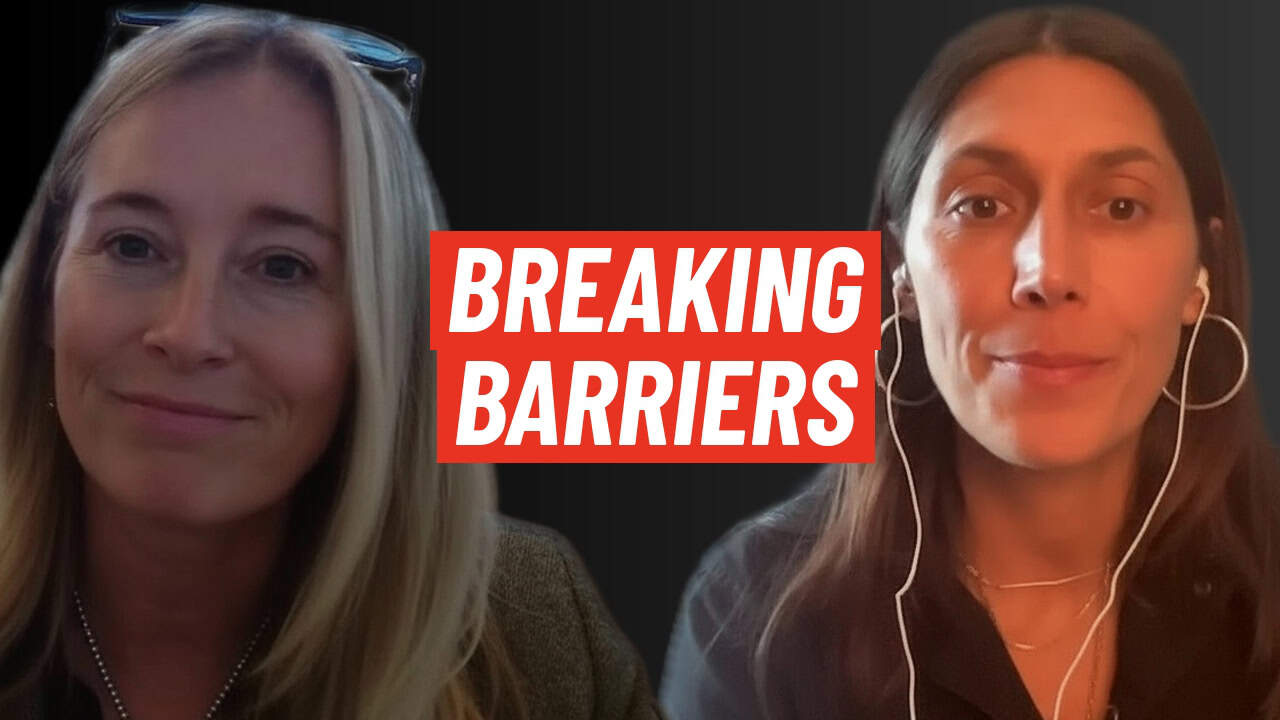
APT Foundation extends sincere thanks to the CALM (Clear Answers to Louisiana Mental Health) and EPIC NOLA team for inviting Dr. Lynn Madden to share our work on their recent podcast: Reality Check: Psychosis is Real. So is Recovery. We’re proud to stand alongside partners advancing early intervention, harm reduction, and equitable access to care for all.
When Help Can’t Wait: How APT’s Open Access Model Inspires Broader Mental Health Reform
“Healthcare is a verb. To care about people is really important—and you have to show that with the system you create.” — Dr. Lynn Madden, CEO, APT Foundation
The APT Foundation’s Open Access approach to opioid use disorder treatment was featured on the Reality Check: Psychosis is Real. So is Recovery podcast, hosted by Drs. Ashley Weiss and Serena Chaudhry of EPIC NOLA and CALM (Clear Answers to Louisiana Mental Health). In this in-depth conversation, Dr. Lynn Madden shared how APT has redefined what accessible, compassionate addiction treatment in Connecticut looks like—and why same-day care can be the difference between life and death.
🎧 Listen to the full episode here →
Open Access: Meeting People the Moment They’re Ready
Founded in 1970, APT Foundation has been a national leader in evidence-based addiction treatment and recovery services for over five decades. Today, more than 7,500 people receive care each year across six Connecticut locations offering opioid addiction treatment, primary care, psychiatry, and vocational support.
What sets APT apart is its Open Access treatment model. Anyone can walk in six days a week, be seen by licensed providers, and receive medication for opioid use disorder (MOUD) that same day—no appointment and no insurance required.
“The biggest barrier to treatment in the U.S. is waiting time,” said Dr. Madden. “When you decide you want to enter treatment, we need to be here for you.”
By eliminating waitlists and administrative barriers, APT meets people exactly when they’re ready to take the first step toward recovery.
Dismantling Barriers Inside the System
When Dr. Madden joined APT in 2006, she and her team examined every step that delayed care. Appointment scheduling, redundant paperwork, and billing rules were replaced with streamlined, person-centered workflows designed around real human needs.
Staff roles shifted, too. Instead of managing calendars, front-line team members help patients apply for insurance, get bus passes, and join group therapy. This reallocation created a more efficient, more humane system—one that treats access itself as an act of care.
Fighting Stigma That Still Kills
Stigma remains one of the leading barriers to addiction recovery. Dr. Madden emphasized that fewer than 12% of Americans with an opioid use disorder are currently in treatment.
“Stigma actually kills people,” she explained. “It tells them they’re not worth very much. It keeps them silent.”
APT’s Break Barriers to Treatment campaign—seen on buses, billboards, and social media—works to change that narrative. The message is clear: recovery is possible, and medication for opioid use disorder saves lives.
Through ongoing harm reduction outreach and public education, APT challenges myths about treatment and replaces judgment with compassion and science.
A Shared Vision for Early and Urgent Care
The Reality Check hosts drew strong parallels between early intervention in psychosis and immediate access to addiction treatment. In both areas, early, coordinated care improves outcomes and restores dignity and autonomy.
APT’s model shifts the focus from “motivational testing” to “motivational capitalizing.”
“Instead of testing motivation, we capitalize on it,” Dr. Madden said.
That philosophy—meeting people in their moment of readiness—lies at the heart of effective behavioral health care and continues to guide APT’s mission.
Looking Ahead: Education, Advocacy, and Systemic Change
APT Foundation continues to lead efforts in clinician education, policy advocacy, and community partnership. The organization collaborates with medical schools, correctional systems, and policymakers to make evidence-based addiction care the standard across every setting.
“We wouldn’t deny care to someone with diabetes who’s struggling to manage their illness,” Dr. Madden noted. “We shouldn’t do it to people with substance use disorders either.”
Through its Open Access addiction treatment model, APT demonstrates that recovery is not only possible—it’s a right that begins with access, dignity, and care that doesn’t wait.
Listen to the full conversation on CALM’s website or wherever you get your podcasts.
Reality Check: Psychosis is Real. So is Recovery featuring Dr. Lynn Madden
View the Let’s Break Barriers campaign
🎬You can also watch the full video episode here →